Pre-Purchase Car Inspection – Cost, Process & Where to Get One
A pre-purchase inspection (PPI) is a mechanic's professional check of a used car's mechanical, structural, and cosmetic condition before you buy — here's what it costs, how to book one, and what a thorough inspection actually covers.
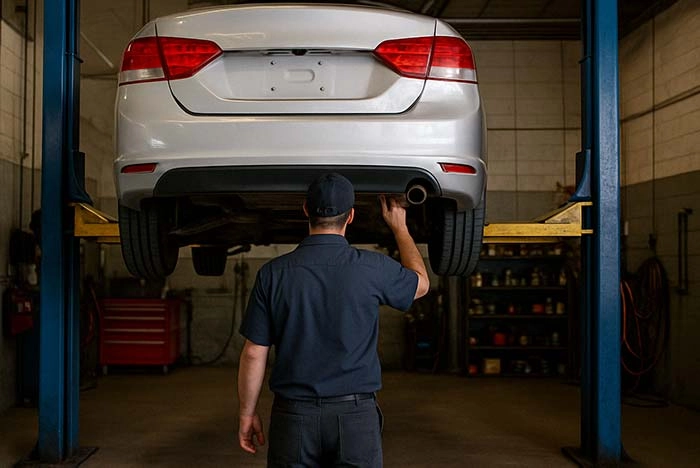
Buying a used car can be one of the smartest financial decisions you make — or one of the most expensive mistakes, depending on what's hiding under the hood. Many of the issues that turn a good deal into a money pit never show up on a vehicle history report and aren't obvious during a casual walk-around or even a test drive. That's exactly the gap a pre-purchase inspection (PPI) is built to close.
A pre-purchase inspection is a detailed, professional examination of a used car's mechanical, structural, and cosmetic condition, carried out before you commit to buying it. It's one of the best ways to catch costly repairs or safety hazards before they become your problem instead of the seller's.
This guide explains what a pre-purchase inspection is, why it's worth doing before buying any used car, and exactly how to schedule one. We'll cover how to find a reliable mechanic, where to take the car for inspection, what a thorough inspection actually includes, and whether the cost is worth it — plus answers to common questions like how much a pre-purchase inspection costs and whether you can take a used car to a mechanic before buying it.
What Is a Pre-Purchase Inspection?
A pre-purchase inspection (PPI) is a professional evaluation of a used car's mechanical, structural, and cosmetic condition before a buyer commits to purchasing it. It's usually carried out by a certified mechanic or inspection service, who examines the vehicle's components and systems to identify underlying issues that might not be obvious from a first impression.
The goal of a PPI is to give the buyer an accurate, detailed report on the car's current state, so they can make an informed decision — negotiate on price, request repairs, or walk away entirely.
Why a Pre-Purchase Inspection Matters
Many used cars on the market have hidden issues, ranging from minor problems like worn-out brake pads to major defects like engine failure, transmission trouble, or frame damage from a previous accident.
~40%
of used vehicles have a defect or need repair
NHTSA estimates nearly 40% of used vehicles on the market are not in top condition.
238M
vehicles recalled for unsafe defects (2010–2018)
The number of cars and light trucks U.S. automakers recalled over that period.
~25%
of recalled vehicles were never repaired
A significant share of those recalled vehicles never had the defect fixed.
The National Highway Traffic Safety Administration (NHTSA) estimates that nearly 40% of used vehicles on the market are not in top condition — they either have a defect or need repair. Further context: between 2010 and 2018, U.S. automakers issued recalls for 238 million cars and light trucks because of unsafe defects, and about 25% of those vehicles were never repaired.
So if you skip a PPI, you could end up driving a genuine safety hazard without realizing it.
Risks of skipping a pre-purchase inspection
Hidden mechanical problems — some issues, like worn-out components or engine problems, might not surface until you've driven the car for several hundred miles. These can lead to expensive repairs and even compromise your safety. Undisclosed accidents — a used car may have been in a collision that wasn't properly repaired or disclosed by the seller; frame damage or subpar repairs can reduce the car's safety and value, and only a professional is likely to spot it. Financial burden — without a pre-purchase inspection, you risk facing costly repairs soon after purchase. An inexpensive used car can turn into a money pit, with repair bills that far exceed the original price.
How to Get a Pre-Purchase Inspection
By following a few basic steps, you can make sure the vehicle you want to buy gets examined by a good mechanic before you commit.
Choosing Where to Get It Inspected
Independent Local Mechanic
A trusted mechanic you choose yourself, ideally one experienced with the car's specific make and model.
- Usually the least expensive option
- Best if you already have a mechanic you trust
- Quality depends entirely on that mechanic's experience with the make/model
Good default if you know a mechanic experienced with this make and model.
Online Inspection Service
Platforms like YourMechanic or Lemon Squad send a certified inspector to the car and deliver a detailed written report.
- Convenient if you can't find a local specialist
- Reports tend to be more detailed and standardized
- Costs more than a one-off local mechanic visit
Worth it when you can't find a trustworthy independent mechanic nearby.
Dealership Service Center
Dealerships often run their own inspection before listing a car, but that inspection is not independent.
- Convenient since it's already done for you
- Not independent — the dealership has an incentive to pass the car
- Should always be supplemented with your own independent inspection
Never treat a dealership's own inspection as a substitute for an independent one.
If you have trouble finding a good mechanic, online platforms like YourMechanic or Lemon Squad let you book an inspection online. These are examples from the US market, but similar services exist in most regions.
Be there for the inspection
Some sellers may offer to take the car to the mechanic themselves — but it's best if you, the buyer, are present. Being there lets you ask questions directly and hear the mechanic's observations firsthand, rather than getting a secondhand summary.
The Step-by-Step Process
Booking and completing a pre-purchase inspection
Requirements vary by mechanic and region, but the process generally follows these five steps.
Research local mechanics or inspection services
Look for an independent mechanic with experience in the specific make and model you're considering — every make has its own common weak points, and an experienced mechanic will know what to look for. A dedicated PPI service typically delivers a more detailed report, but usually costs more than a one-off mechanic visit.
Consider online inspection platforms
If you can't find a mechanic nearby, platforms that let you book a certified inspector online are a solid fallback, especially for out-of-state or long-distance purchases.
Schedule the inspection early
Book the inspection as soon as you've found a car you're seriously considering, before finalizing any deal. That gives you time to review the findings and negotiate — or walk away — before you're committed.
Communicate with the seller
Let the seller know once you've booked the inspection. Dealerships may already run their own inspection process, but an independent one is still worth having. Private sellers should be cooperative and give the mechanic access to the car.
Review the mechanic's report
The mechanic will provide a detailed report covering the car's condition, any issues found, and needed repairs. Use it to negotiate the price, request repairs before you buy, or walk away if the problems are serious.
What a Pre-Purchase Inspection Includes
A thorough pre-purchase inspection consists of a detailed evaluation of the car's condition, covering a wide range of components to confirm the vehicle is in good working order. Here's a breakdown of what a pre-purchase inspection covers — the main areas mechanics evaluate to build a full picture of the vehicle's condition.
Key areas a mechanic checks
0 of 7 checked
Why a Comprehensive Inspection Matters
Even if a car looks great on the surface, an inspection covering all of these areas can reveal underlying problems that would otherwise turn into expensive repairs later. Once you own the car, keeping up with routine maintenance affects how long these components last — see our essential car maintenance tips and inspection checklist for what to check going forward.
How Much Does a Pre-Purchase Inspection Cost?
The cost of a pre-purchase inspection (PPI) varies depending on several factors — your location, the complexity of the inspection, and the mechanic or service provider you choose.
$150–$250
Standard inspection
Covers the essentials — engine, transmission, brakes, and suspension — in about 1–2 hours.
$200–$300+
Comprehensive inspection
Includes everything in a standard inspection plus in-depth diagnostic testing, and takes longer.
$100–$300
Regional range
Urban areas tend to cost more than rural regions for the same scope of inspection.
Split the cost with the seller
Buyers and sellers often agree to split the inspection fee, which can bring each side's cost down to roughly $75–$125. It's a reasonable ask, especially if the seller is confident in the car's condition.
Pre-Purchase Inspection vs. Vehicle History Report
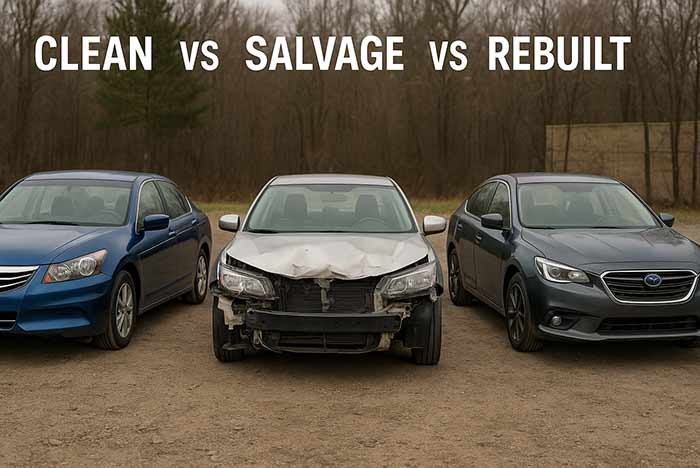
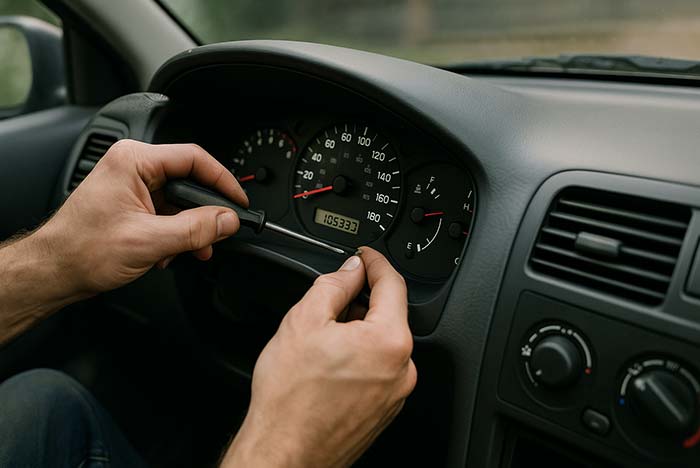
A pre-purchase inspection tells you how the car is doing right now — but it can't tell you everything about where the car has been. A mechanic examining the car today generally can't see a title that's been washed clean across state lines (see our guide on clean vs. salvage vs. rebuilt titles), spot flood damage that's been carefully cleaned up, or catch an odometer that's been rolled back. That's what a VIN check is for — and it's also worth reading up on used car warranties before you buy, since a branded title or undisclosed accident history can also affect what a warranty will actually cover.
The two checks complement each other: the inspection covers current mechanical condition, and the VIN check covers everything the car has been through before you ever saw it.
Pair your inspection with a full VIN history check
A mechanic's inspection tells you how the car runs today. A ProVinCheck report reveals its title history, past accidents, flood damage, and mileage discrepancies — the parts of the story a hands-on inspection alone can't show.
- Mileage check
- Accident & damage
- Title & ownership
Common Mistakes to Avoid With a Pre-Purchase Inspection
Common mistakes to avoid
Skipping the inspection because the vehicle history report looked clean.
Do this instead: A vehicle history report and a pre-purchase inspection answer different questions — run both. A clean report only means nothing was reported, not that the car is mechanically sound today.
Letting the seller choose or arrange the mechanic.
Do this instead: Always use your own independent mechanic, even if the seller offers to take the car in for you, and be present for the inspection if you can.
Treating a dealership's own inspection as independent.
Do this instead: A dealership's pre-sale inspection is still worth having, but it's not a substitute for your own independent PPI.
Not scheduling the inspection until after agreeing on a price.
Do this instead: Book the inspection as soon as you're seriously considering the car, so you still have room to negotiate or walk away based on what it finds.
Ignoring the report once you have it.
Do this instead: Use the findings to negotiate the price, request repairs before closing, or walk away if the issues are serious — the report is only useful if you act on it.