How to Spot Signs of Flood Damage in a Used Car
Learn how to identify signs of flood damage in used cars before buying. Discover key indicators like musty odors, unusual rust, and electrical issues that reveal a vehicle's hidden water damage history.
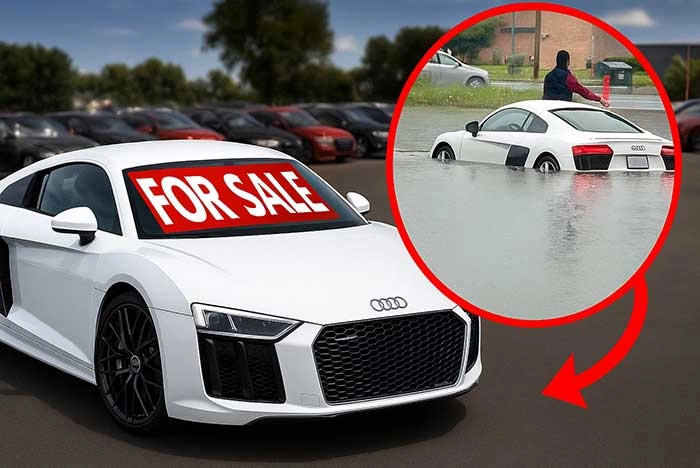
Roughly 89,000 vehicles were damaged by flooding from tropical storms and hurricanes in the U.S. in 2024 alone — on top of an estimated 454,000 vehicles already on the road with hidden flood damage.
The influx of these flooded vehicles into the used car market poses a real risk for unsuspecting buyers, since many of these cars are cleaned up and resold without any disclosure of their condition.
This guide breaks down how to tell if a car was in a flood and how to spot a flood car before you buy it — from visual signs like water stains to mechanical red flags. We'll also cover what to do to protect yourself, the legal side of selling flood-damaged cars, and answer the most common questions buyers ask, including whether a flooded car can be fixed.
Signs of Flood Damage in a Used Car
Some flood-damaged vehicles look perfectly fine on the surface but can harbor hidden problems that only become apparent months down the road. Here's a breakdown of the most common signs to look for when determining whether a car has been involved in a flood.
Flood damage inspection checklist
0 of 8 checked
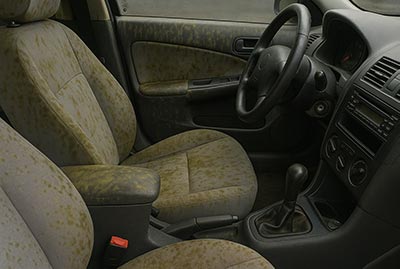
No single sign here is proof on its own — but two or more of them together is a serious warning that deserves a professional inspection before you go any further.
How to Protect Yourself From Buying a Flooded Car
If you haven't physically tested a vehicle yet and don't have time to check every car you're interested in, you need to be selective about which ones are worth your time — starting with ruling out flood damage. Here's how to protect yourself.
How to avoid buying a flooded car
Work through these checks before you get attached to any used car.
Be wary of unusually low prices
If a deal seems too good to be true, it usually is. A vehicle priced significantly below comparable models may have been flooded and priced to sell quickly before hidden damage becomes apparent — sellers and dealerships sometimes offer steep discounts hoping the buyer won't notice until after the purchase.
Check the vehicle's VIN history
One of the most reliable ways to check for flood damage is running the Vehicle Identification Number (VIN) through a database like ProVinCheck. It provides detailed reports on a car's history, including reports of flood damage, accidents, or salvage titles. VIN checks aren't foolproof, since not all damage gets reported, but they're a crucial step.
Avoid buying right after major storms or floods
Flood-damaged cars often flood the market in the aftermath of major storms, hurricanes, and natural disasters. These vehicles are frequently cleaned up and resold across the country, not just in the areas affected by the flooding — sellers may transport them to regions where buyers are less suspicious.
Extra tips before you sign
Always hire a trusted mechanic for a thorough pre-purchase inspection — a trained professional can often spot corrosion or electrical issues an average buyer would miss. During the test drive, try every electrical component (windows, locks, lights, infotainment) and watch for glitches or delays. And if you're buying from a dealership, ask about a warranty: a flood-damaged car may not be covered by traditional warranties, and a dealership offering none may be trying to avoid liability for a problematic vehicle.
Seller Red Flags to Watch For
Beyond the physical signs on the car itself, how a seller behaves can tell you just as much. These red flags are about the sale, not the vehicle — but they're just as important.
Red flags to watch for
Any one of these on its own is worth asking more questions about. Two or more together are a strong reason to walk away or bring in a professional first.
- The seller is reluctant to discuss the car's flood or damage historyVague or defensive answers to a direct question about flooding or total-loss claims are a warning sign, not a coincidence.
- A cash-only sale with pressure to close quicklyUrgency is a classic tactic used to stop you from running a VIN check or getting an independent inspection.
- The car is listed far from where it's registered, especially after a hurricane seasonFlood cars are often moved out of the affected region and resold to buyers who are less likely to suspect a storm connection.
- The seller won't provide the VIN before an in-person visitA legitimate seller has no reason to withhold the VIN — it's on the title, the dashboard, and the door jamb.
- The listing avoids any mention of title statusIf the ad doesn't say "clean title" anywhere, ask directly and get it in writing before you commit.
Can a Flooded Car Be Fixed?
The short answer is: it depends on the extent of the flood damage and which components were affected by the water. Some flood-damaged cars can be repaired to a safe and reliable condition, while others may have long-term problems that are difficult or costly to address.
Types of Flood Damage
The severity of the flood damage is the most important factor in determining whether a car can be fixed.
Freshwater Flooding
Exposure to freshwater — heavy rain or a river flood, for example — gives a better chance of a safe repair, especially if it's caught early.
- Less corrosive than saltwater, so less likely to cause long-term damage to metal or electrical parts
- Still requires a full inspection of the electrical system, upholstery, and undercarriage
- Outcome depends heavily on how much water reached the cabin and how quickly it was dried out
Potentially repairable, but only with documented, professional repairs and an independent inspection.
Saltwater Flooding
Submersion in saltwater, such as in coastal areas after a hurricane, is usually far more severe and harder to repair.
- Highly corrosive to electrical systems, metal parts, and engine components
- Corrosion often continues to worsen for months or years after the flood
- Even properly repaired cars are more prone to long-term reliability issues and rust
High risk. Treat as a car to avoid unless you fully understand and accept the long-term reliability trade-off.
Should You Buy a Repaired Flood Car?
Should you buy a repaired flood car?
The car had minor, documented freshwater exposure and passed an independent mechanic's inspection
Consider it, cautiously
A well-documented, professionally repaired freshwater case carries real but manageable risk — verify everything before you commit.
The car was submerged in saltwater, or the flood reached the engine or electrical systems
Walk away
Saltwater and deep flooding cause corrosion and electrical problems that tend to resurface for years, no matter how good the repair looked at the time.
You can't get a VIN check, repair records, or an independent inspection before buying
Walk away
Without independent verification, you have no way to know what was actually repaired — re-check the signs above before you go any further.
Why a VIN Check Matters
The signs above are a strong starting point, but they rely on what you can see and smell during a single visit. A VIN check pulls from independent records the seller doesn't control, and it's the most reliable way to confirm what you suspect.
A vehicle history report built from the VIN can reveal:
- Reported flood, accident, and total-loss history, even on a car that looks and smells clean today
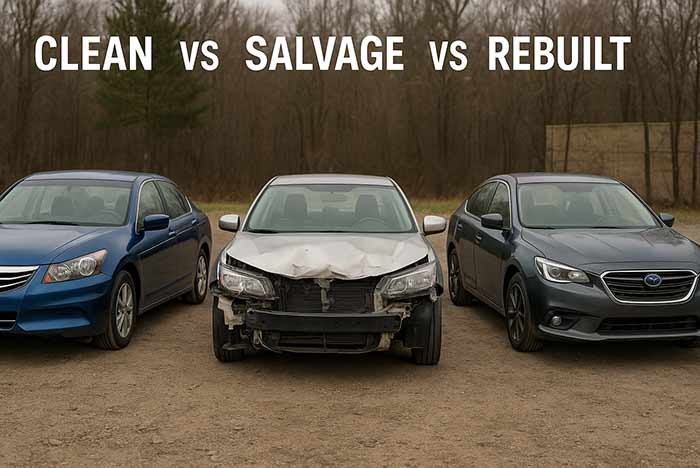
- Whether the car currently carries — or has ever carried — a salvage or rebuilt title
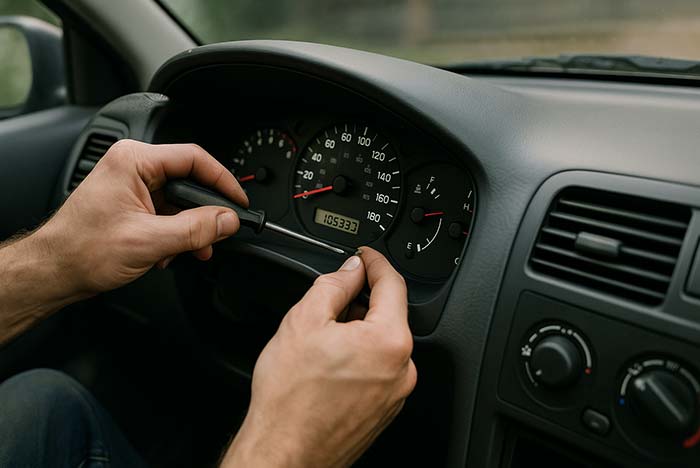
- Whether the mileage has been rolled back or tampered with, which sometimes accompanies a "washed" flood title
- Prior registration states, useful for spotting a car that was moved out of a hurricane-affected region and resold elsewhere
For a deeper walkthrough of what these reports include, see our full guide on how to check a used car's vehicle history report. And however clean the paperwork looks, it's always worth pairing a VIN check with an independent pre-purchase inspection.
Don't let hidden flood damage catch you off guard
A ProVinCheck report reveals a vehicle's reported flood and accident history, title status, and mileage discrepancies in minutes — so you know exactly what you're buying before you pay.
- Mileage check
- Accident & damage
- Title & ownership
Dealership Practices and Legal Considerations
When buying a used car, it's important to know that dealerships are usually required by law to disclose if a vehicle has been flood-damaged or given a "salvage" title due to flood damage. In most states, it's illegal to sell a flood-damaged car without telling the buyer.
Title washing is illegal, but it happens
Some dishonest sellers try to get around disclosure laws by "washing" the title — re-registering the car in a different state where the rules about title branding are more relaxed, making it harder to track the vehicle's real history. Always be cautious, run a VIN check, and ask for a full vehicle history report to avoid getting stuck with a car that has hidden damage.
When to Walk Away From the Deal
Trust your instincts
Not every used car with a questionable history is worth pursuing, no matter how good the price looks. Walk away if the seller won't share the VIN or answer direct questions about flood or total-loss history, if the vehicle history report and the seller's story don't match, if an independent mechanic finds corrosion or electrical issues that weren't disclosed, or if you simply can't get comfortable with the answers you're getting. There are always other cars — a documented, flood-free history is never in short supply.
Common Mistakes When Buying a Possibly Flooded Car
Common mistakes to avoid
Judging a car only by how clean the interior looks.
Do this instead: A thorough detailing job can hide water stains and odors — check the harder-to-reach spots like under the seats, inside door panels, and seat tracks.
Skipping a VIN check because the seller says the title is clean.
Do this instead: Run the VIN yourself — title washing exists specifically to make a flood-damaged car look clean on paper.
Only testing the electronics you think to check.
Do this instead: Test every electrical component during the test drive, including ones you might not think of, like seat memory settings, sunroof controls, and infotainment features.
Assuming a low price is just a good deal.
Do this instead: Compare it to similar listings — a price that's dramatically below market value deserves an explanation, not just gratitude.
Treating freshwater and saltwater flood damage as the same risk.
Do this instead: Ask specifically what type of water was involved and where the car was located — saltwater and deep submersion carry far greater long-term risk.