


Decode any VIN in seconds
Punch in a 17-character VIN and we'll tell you the make, model, year, engine, trim and how the car was built at the factory — plus what each character in the number actually means. No sign-up, no catch.
- 100% free lookup
- Instant results
- No account needed
- Built in
- Germany
- Manufacturer
- BMW
- Model year
- 2015
- Serial number
- 669902
Read straight from the characters of the VIN above.
So, what does a VIN decoder actually do?
Every road vehicle carries a unique 17-character code. A decoder reads that code and turns it into plain English — the manufacturer, where the car was built, its model year, engine and the exact specification it rolled off the line with.
That part is free, and it's only what the VIN itself encodes. To see a car's accident, mileage, title and ownership history you'll want a full vehicle-history report, which pulls records from DMVs, insurers and auction houses.
What is a VIN number?
A Vehicle Identification Number (VIN) is the unique 17-character code stamped on every road vehicle — its fingerprint. Select any part of the example below to see what it means.
World Manufacturer Identifier
Characters 1–3
The first three characters identify who built the vehicle and where.
- The country or region where the vehicle was manufactured
- The manufacturer of the vehicle
- The vehicle type or manufacturing division
Vehicle Descriptor Section
Characters 4–8
Characters 4–8 hold manufacturer-specific details about the vehicle itself.
- Model
- Body style
- Engine type
- Restraint system
- Trim, series or other vehicle attributes
Check digit
Character 9
The 9th character helps confirm the VIN is valid.
- Used to help validate the VIN as a whole
- Can help detect some typing errors or invalid VINs
- Check-digit rules may differ depending on the market
Model year
Character 10
The 10th character indicates the vehicle’s model year.
- Identifies the vehicle’s model year
- Model-year codes repeat in cycles (roughly every 30 years)
- Extra vehicle context is sometimes needed to confirm the exact year
Assembly plant
Character 11
The 11th character identifies the factory where the vehicle was assembled.
- Identifies the manufacturing plant or factory
- Assigned by the manufacturer to each of its facilities
Vehicle Identifier Section
Characters 12–17
The last six characters are usually the vehicle’s unique serial number.
- Usually the vehicle’s production or serial number
- Distinguishes this individual vehicle from others built by the manufacturer
What a VIN tells you — and what it doesn't
We'd rather be upfront. Some things are baked into the VIN and free to read. The rest lives in records that only a history report can pull together.
Free, straight from the VIN
- Make, model and body style
- Engine, fuel type and drivetrain
- Trim, series and factory equipment
- Assembly plant and country of origin
- Model year and manufacturer details
- Open safety recalls from NHTSA
Needs a full history report
- Accident and damage records
- Real odometer and mileage history
- Title status — salvage, rebuilt or clean
- Theft and impound records
- Ownership and registration history
- Service and maintenance records
A decoder on its own can't confirm accidents, real mileage, title, theft, ownership or service history.
Why bother checking the VIN first?
Make sure the car is what the seller says
Decoding the VIN confirms the year, make, model, engine and trim against the listing — an easy way to catch mismatches or a cloned VIN before you hand over any money.
Spot open safety recalls early
Recalls tied to the VIN flag unresolved safety issues the manufacturer will usually fix free of charge. Better to know before the test drive than after.
Know the exact factory build
See the engine, drivetrain and equipment the car left the line with. It makes the vehicle far easier to value — and to negotiate on.
Avoid an expensive mistake
Paired with a full history report, a VIN check helps you sidestep hidden accident damage, rolled-back mileage and title trouble that quietly cost buyers thousands.
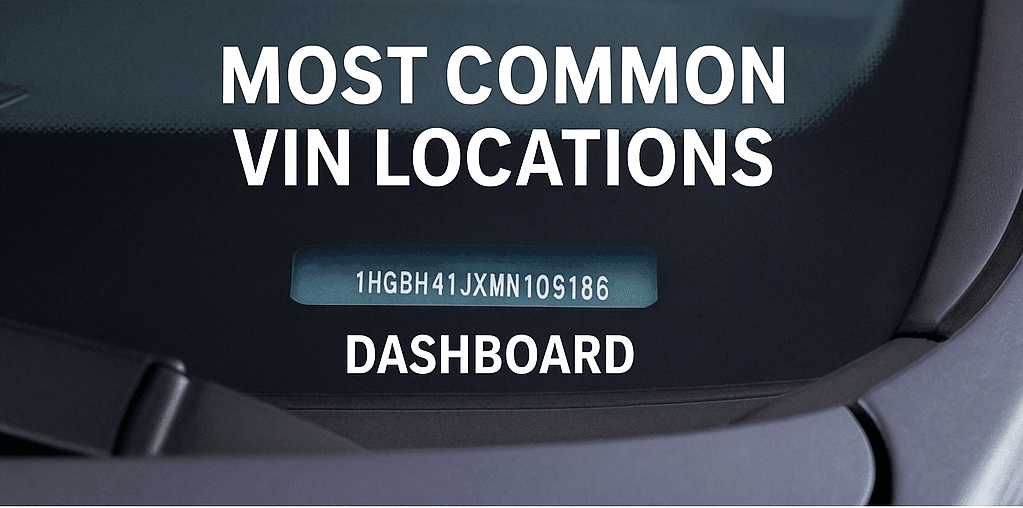
Where do I find my VIN?
The same 17 characters show up in a handful of places on the car and its paperwork. The usual suspects:
- Driver-side dashboard, seen through the base of the windshield
- Inside the driver door jamb, on the door-post sticker
- On the registration, title and insurance paperwork
- Stamped on the engine-bay firewall or under the hood
- Near the spare wheel or under the boot/trunk floor
One quick habit: check the VIN on the car matches the VIN on the title and registration. If they don't line up, treat it as a red flag.
Works with virtually any vehicle
The 17-character VIN is a global standard, so the decoder handles cars, SUVs, trucks, vans and motorcycles from every major manufacturer. Jump into a brand-specific guide:











Three steps, about ten seconds
Decoding a VIN really is this quick.
Type in the VIN
Enter or paste the 17 characters. We capitalise letters for you and quietly block I, O and Q, which never appear in a real VIN.
We decode it on the spot
The VIN is matched against manufacturer and NHTSA data to pull the make, model, year, engine, trim and how the car was originally built.
Read the specs, then dig deeper
Browse the free specs and any open recalls. If you're buying, continue to a full history report for accident, mileage and title records.
VIN decoder FAQ
The questions we get asked most about decoding a VIN.
A decoded VIN is just the start
Keep going — these guides cover the rest of a used car's story.
How to check a used-car history report
A step-by-step guide to researching a car before you buy.
Clean vs salvage vs rebuilt titles
What a title brand really means for a vehicle's value and safety.
How to detect odometer rollback
Spot mileage tampering and verify a car's real mileage.
Why a pre-purchase inspection matters
Pair your VIN check with a proper inspection before buying.
It takes less than 1 minute
The faster way to check your vehicle history
What You’ll Get:
- Complete Vehicle History
- Accident & Damage Reports
- Ownership Records
- Title Information
Trusted By:
Happy Users
Reports Generated
User Rating