How Often Should I Change My Oil?
How often you should change your oil depends on the oil type, your driving habits and your vehicle — this guide breaks down the real intervals, why oil changes matter, and the warning signs you're overdue.

Knowing how often to change your oil is an important factor in keeping your vehicle's engine running smoothly. Over the years, the answer to this question has evolved and can't be answered with a single number. The guidance from manufacturers depends on several factors: the type of oil you use, your driving habits, whether you drive more highway or city, and the vehicle's specs.
So, how often should you change your oil? What we get from car manufacturers are usually recommendations in the range of 7,500 to 10,000 miles (12,000 to 16,000 km) with synthetic oil, or once a year. For conventional oil — typically 3,000 to 5,000 miles (4,800 to 8,000 km) or every six months. However, these numbers can vary depending on how you drive and where you live.
If you're still not sure, check your vehicle owner's manual — there should be an exact recommendation for oil service intervals. And if your vehicle is a newer generation (after 2005), there should be an on-board service interval indicator where you can check when the car was last serviced.
If you want to go deeper, this article breaks down the key questions: "How often should you check your oil?" and "Do I really need to change oil every 6 months?" We'll explore the differences between synthetic and conventional oils and share tips on recognizing when it's time for an oil change, regardless of mileage or time.
7.5–10k mi
Synthetic oil interval
12,000–16,000 km, or once a year — whichever comes first.
3–5k mi
Conventional oil interval
4,800–8,000 km, or every 6 months for older engines.
1× / month
Check the oil level
Use the dipstick — low or dirty oil is the earliest warning sign.
200k+ mi
Engine life potential
Realistic with on-time oil service and a quality oil.
Example Oil Change Intervals by Driving Condition
The table below shows how often engine oil should be changed based on vehicle age, oil type, and driving conditions.
| Driving Condition | Vehicle Age | Oil Type | Recommended Interval |
|---|---|---|---|
| Frequent Short Trips | Older Vehicles | Conventional | Every 3,000 to 5,000 miles (4,800 to 8,000 km) or 6 months |
| Frequent Short Trips | Older Vehicles | Synthetic Blend | Every 5,000 to 7,500 miles (8,000 to 12,000 km) or 6 months |
| Frequent Short Trips | Older Vehicles | Synthetic | Every 5,000 to 7,500 miles (8,000 to 12,000 km) or 6-12 months |
| Frequent Short Trips | Newer Vehicles | Conventional | Every 3,000 to 5,000 miles (4,800 to 8,000 km) or 6 months |
| Frequent Short Trips | Newer Vehicles | Synthetic Blend | Every 5,000 to 7,500 miles (8,000 to 12,000 km) or 6 months |
| Frequent Short Trips | Newer Vehicles | Synthetic | Every 5,000 to 7,500 miles (8,000 to 12,000 km) or 6-12 months |
| Stop-and-Go Traffic | Older Vehicles | Conventional | Every 3,000 to 5,000 miles (4,800 to 8,000 km) or 6 months |
| Stop-and-Go Traffic | Older Vehicles | Synthetic Blend | Every 5,000 to 7,500 miles (8,000 to 12,000 km) or 6 months |
| Stop-and-Go Traffic | Older Vehicles | Synthetic | Every 5,000 to 7,500 miles (8,000 to 12,000 km) or 6-12 months |
| Stop-and-Go Traffic | Newer Vehicles | Conventional | Every 3,000 to 5,000 miles (4,800 to 8,000 km) or 6 months |
| Stop-and-Go Traffic | Newer Vehicles | Synthetic Blend | Every 5,000 to 7,500 miles (8,000 to 12,000 km) or 6 months |
| Stop-and-Go Traffic | Newer Vehicles | Synthetic | Every 5,000 to 7,500 miles (8,000 to 12,000 km) or 6-12 months |
| Highway Driving | Older Vehicles | Conventional | Every 5,000 to 7,500 miles (8,000 to 12,000 km) or 6-12 months |
| Highway Driving | Older Vehicles | Synthetic Blend | Every 7,500 to 10,000 miles (12,000 to 16,000 km) or 6-12 months |
| Highway Driving | Older Vehicles | Synthetic | Every 7,500 to 10,000 miles (12,000 to 16,000 km) or 1 year |
| Highway Driving | Newer Vehicles | Conventional | Every 5,000 to 7,500 miles (8,000 to 12,000 km) or 6-12 months |
| Highway Driving | Newer Vehicles | Synthetic Blend | Every 7,500 to 10,000 miles (12,000 to 16,000 km) or 6-12 months |
| Highway Driving | Newer Vehicles | Synthetic | Every 7,500 to 10,000 miles (12,000 to 16,000 km) or 1 year |
| Extreme Temperatures | Older Vehicles | Conventional | Every 3,000 to 5,000 miles (4,800 to 8,000 km) or 6 months |
| Extreme Temperatures | Older Vehicles | Synthetic Blend | Every 5,000 to 7,500 miles (8,000 to 12,000 km) or 6-12 months |
| Extreme Temperatures | Older Vehicles | Synthetic | Every 5,000 to 7,500 miles (8,000 to 12,000 km) or 6-12 months |
| Extreme Temperatures | Newer Vehicles | Conventional | Every 3,000 to 5,000 miles (4,800 to 8,000 km) or 6 months |
| Extreme Temperatures | Newer Vehicles | Synthetic Blend | Every 5,000 to 7,500 miles (8,000 to 12,000 km) or 6-12 months |
| Extreme Temperatures | Newer Vehicles | Synthetic | Every 5,000 to 7,500 miles (8,000 to 12,000 km) or 6-12 months |
| Dusty or Humid Conditions | Older Vehicles | Conventional | Every 3,000 to 5,000 miles (4,800 to 8,000 km) or 6 months |
| Dusty or Humid Conditions | Older Vehicles | Synthetic Blend | Every 5,000 to 7,500 miles (8,000 to 12,000 km) or 6 months |
| Dusty or Humid Conditions | Older Vehicles | Synthetic | Every 5,000 to 7,500 miles (8,000 to 12,000 km) or 6-12 months |
| Dusty or Humid Conditions | Newer Vehicles | Conventional | Every 3,000 to 5,000 miles (4,800 to 8,000 km) or 6 months |
| Dusty or Humid Conditions | Newer Vehicles | Synthetic Blend | Every 5,000 to 7,500 miles (8,000 to 12,000 km) or 6 months |
| Dusty or Humid Conditions | Newer Vehicles | Synthetic | Every 5,000 to 7,500 miles (8,000 to 12,000 km) or 6-12 months |
| Hilly or Mountain Terrain | Older Vehicles | Conventional | Every 3,000 to 5,000 miles (4,800 to 8,000 km) or 6 months |
| Hilly or Mountain Terrain | Older Vehicles | Synthetic Blend | Every 5,000 to 7,500 miles (8,000 to 12,000 km) or 6-12 months |
| Hilly or Mountain Terrain | Older Vehicles | Synthetic | Every 5,000 to 7,500 miles (8,000 to 12,000 km) or 6-12 months |
| Hilly or Mountain Terrain | Newer Vehicles | Conventional | Every 3,000 to 5,000 miles (4,800 to 8,000 km) or 6 months |
| Hilly or Mountain Terrain | Newer Vehicles | Synthetic Blend | Every 5,000 to 7,500 miles (8,000 to 12,000 km) or 6-12 months |
| Hilly or Mountain Terrain | Newer Vehicles | Synthetic | Every 5,000 to 7,500 miles (8,000 to 12,000 km) or 6-12 months |
Pro tip
Not sure which oil type is right for you? Our
synthetic vs. regular oil guide
compares protection, longevity and cost — for most modern engines, synthetic is worth it.
Why Oil Changes Are Important
Servicing your engine oil regularly is the simplest yet most impactful form of vehicle care. Engine oil plays several critical roles in keeping your engine running efficiently and trouble-free. Here is exactly why oil is essential for longevity and performance.
Lubrication
The main role of motor oil is to lubricate all the moving parts within the engine, such as the pistons and crankshaft. Without proper lubrication, these components would grind against each other, leading to extensive wear and eventually damaging the engine — and those are the two main components in an engine.
When the oil gets old, it loses its lubricating properties and becomes less effective at reducing friction. In that case, the engine can overheat and wear faster, which could ultimately lead to costly repairs or even engine failure.
Cooling
A running engine generates a lot of heat. While the cooling system handles most of the work of keeping the engine at operating temperature, motor oil plays a vital role in helping keep the temperature in check. By circulating through the engine, oil absorbs some of the heat and carries it away from critical components.
Over time, engine oil loses its ability to regulate temperature effectively. The oil becomes thick or contaminated, and it has the opposite effect — trapping heat rather than dissipating it, leading to overheating issues that put extra strain on the engine.
Cleaning
Engine oil helps clean the engine by picking up dirt, debris and metal particles as it circulates. The debris is then carried to the oil filter, which traps it and prevents it from re-entering the engine.
Never skip the oil filter
Change the oil filter with every oil change — otherwise you have only done half the service. Fresh oil running through a clogged filter picks up the old contamination immediately.
If regular oil changes are skipped, the oil filter becomes clogged and the oil turns thick and sludgy. This contaminated oil then deposits grime back into the engine, clogging passages and reducing the efficiency of the oil flow. This buildup not only impacts performance but can also lead to expensive repairs over time.
Protection Against Corrosion
Over time, motor oil becomes contaminated with acids and other byproducts of fuel combustion, which can corrode engine parts. Quality motor oils contain additives that help neutralize these harmful acids, offering protection against rust and corrosion.
However, as the oil ages, these additives lose effectiveness. By changing your oil on schedule, you're ensuring that the oil remains fresh and capable of protecting the internal engine components from corrosion.
Improved Fuel Efficiency
As mentioned above, engine oil enables the engine's lubrication. When the motor oil is old and degraded, the engine has to work harder to overcome the added friction — burning more fuel and lowering fuel efficiency. Fresh oil allows the engine to operate smoothly.
Although the difference may seem small, maintaining regular oil changes can lead to noticeable fuel savings over time, especially for those who drive frequently or cover long distances.
Extending Engine Life
One of the most significant benefits of on-time oil changes is the role they play in extending the overall lifespan of your engine. By ensuring that your engine remains well-lubricated, free of contaminants, and protected from excessive heat and corrosion, you're effectively reducing the chances of premature engine failure.
If the engine is serviced on time with quality oil, the probability of exceeding 200,000 miles (~320,000 km) without significant engine issues is high. An oil change is a small investment compared to the cost of major engine repairs or, worse, a complete engine replacement. It's the cornerstone of any car maintenance schedule.
Factors Affecting Oil Change Frequency
There is no single number of miles/km that determines the best time to change your oil. The interval depends on several factors: vehicle age, the type of oil, and the driving conditions. Here's how each one plays in.
Vehicle Age
Older vehicles: older vehicles, especially those manufactured before the 2000s, often have less advanced engine technology and may benefit from more frequent oil changes. In general, older cars can require an oil change every 3,000 to 5,000 miles (4,800 to 8,000 km) or every 6 months, whichever comes first.
Newer vehicles: modern engines are designed to operate efficiently with less frequent oil changes, especially when using synthetic oil. Many newer vehicles can go 7,500 to 10,000 miles (~12,000 to 16,000 km) or even up to a year between oil changes, depending on the manufacturer's recommendations. Always consult the owner's manual for the recommended interval for your vehicle.
Driving Habits
Frequent short trips: if most of your drives are short (less than 5–10 miles / 8–20 km per trip), your engine may never reach its optimal operating temperature. That can lead to condensation building up in the oil, causing sludge formation. For frequent short trips, the recommended oil service is every 3,000 to 5,000 miles (4,800 to 8,000 km) to keep the engine clean.
Stop-and-go traffic: if you regularly drive in heavy traffic with lots of idling and stop-and-go movement, your engine works harder and builds up heat more quickly. This type of driving is considered severe and degrades oil faster. In this case, changing the oil every 5,000 miles or every 6 months is recommended.
Highway driving: vehicles that primarily drive on highways at steady speeds are typically easier on motor oil. This type of driving is less demanding on the engine, allowing oil to last longer. For highway drivers, oil changes may only be necessary every 7,500 to 10,000 miles (~12,000 to 16,000 km), especially when using synthetic oil.
Environment and Climate
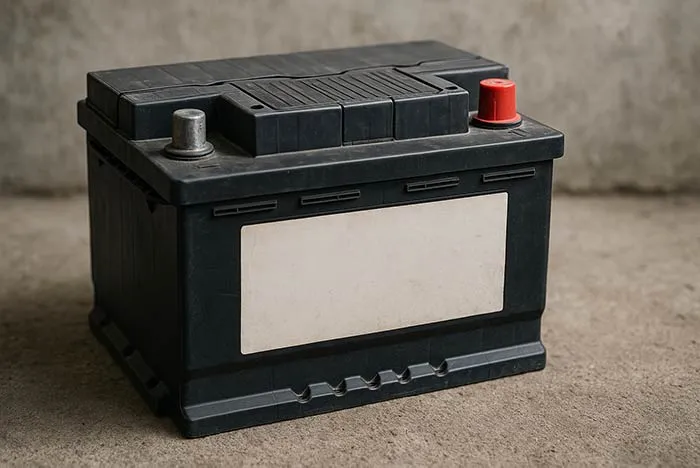
Extreme temperatures: driving in extremely hot or cold conditions strains the engine oil. When too hot, oil can thin out and lose its ability to lubricate; when too cold, it becomes too thick to circulate easily. Here is a good explanation of oil viscosity grades and how to pick the right oil for your climate. (Extreme temperatures are hard on the whole car — the battery included; see how weather affects battery life.)

Dusty or humid conditions: if you often drive on dusty roads or in humid environments, particles and moisture can infiltrate your engine and contaminate the oil faster. For drivers in these conditions, following a shorter oil change interval — like every 5,000 miles (8,000 km) — helps protect the engine.
Oil Type (Conventional vs. Synthetic)
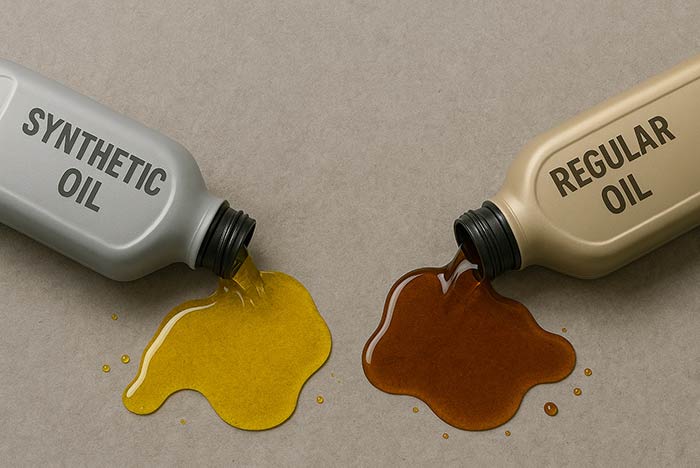
Conventional oil: derived from crude oil, conventional oil contains fewer additives, which makes it more prone to breaking down under high-stress conditions. As a result, it generally requires more frequent changes — typically every 3,000 to 5,000 miles (4,800 to 8,000 km), or about every 6 months.
Synthetic oil: synthetic oil is engineered to withstand higher temperatures and resist breakdown better than conventional oil. It is formulated to last longer and perform well under extreme conditions. Most synthetic oils can safely go 7,500 to 10,000 miles (~12,000 to 16,000 km) between changes. If you're wondering how often to change synthetic oil: usually noticeably less often than conventional, depending on your driving habits and conditions.
Synthetic blend: a synthetic blend — a mix of conventional and synthetic oils — offers a middle ground. It provides some of the benefits of synthetic oil but is typically less expensive. Expect synthetic blend oils to last around 5,000 to 7,500 miles, depending on usage and driving conditions.
Signs You Need an Oil Change
Beyond the regular interval, there are symptoms that tell you the oil needs changing now. Paying attention to them can prevent engine damage. Check your oil ideally once a month, or before a long road trip, so you catch early signs before any issue becomes severe. Here are the symptoms to watch for.
Noisy Engine or Knocking Sounds
If you start hearing your engine running roughly, it might indicate either a major problem or simply that the oil has lost its lubrication due to oil breakdown.
Oil Change or Check Engine Light
Many modern vehicles have a dashboard light specifically for oil changes. If this light — or the broader "check engine" light — comes on, it may indicate that the oil needs to be changed or that there's an oil pressure issue.
Dark, Dirty, or Gritty Oil
Fresh oil is amber and translucent. Over time, oil accumulates dirt, debris, and metal particles, causing it to turn dark and thick. This reduces its ability to flow smoothly and lubricate effectively.
Low Oil Level
Regularly checking the oil level using the dipstick can reveal if the oil is running low. If you find yourself frequently topping off the oil, it could be a sign of a leak or that the engine is burning oil too quickly.
Excessive Exhaust Smoke
It's normal for exhaust to be somewhat translucent, but if you notice thick or dark smoke coming from the tailpipe, it may be a sign of an oil issue.
Smell of Burning Oil Inside the Vehicle
If you smell burning oil inside your vehicle, it can indicate that oil is leaking onto hot engine parts or that the oil is old and breaking down.
Poor Fuel Economy
If you notice that you're filling up the gas tank more often than usual, it may be because the oil in your engine is old and thick, causing the engine to work harder than necessary.
Engine Overheating
Overheating is a serious warning sign. While there are several potential causes, one common reason is oil that can no longer effectively dissipate heat from the engine.
By paying attention to these signs, you can stay ahead of potential issues and ensure your engine is always well-protected.
Common Oil Change Mistakes
Common mistakes to avoid
Changing the oil but keeping the old filter.
Do this instead: Replace the oil filter every time — it holds the contamination the fresh oil is supposed to avoid.
Going by mileage only and ignoring time.
Do this instead: Oil degrades even in a parked car. Change it at least once a year, even at low mileage.
Using whatever oil is cheapest, regardless of specification.
Do this instead: Match the viscosity grade (e.g. 5W-30) and API/manufacturer approval in your owner's manual.
Ignoring the oil warning light 'until the weekend'.
Do this instead: A red oil pressure light means stop the engine as soon as it is safe — minutes matter.
Never checking the level between changes.
Do this instead: Check the dipstick monthly. Many modern engines consume some oil normally — running low destroys them.
What Oil History Tells You About a Used Car
Oil changes are the single best indicator of how a used car was treated. An owner who changed the oil on schedule almost always did the rest of the maintenance too — and one who didn't, didn't.
When you're looking at a used car:
- Ask for oil service records and compare the dates and mileage against the intervals in this guide.
- Pull the dipstick. Dark is normal shortly before a service; gritty, sludgy or milky oil is a walk-away sign.
- Look under the oil cap. Thick black sludge or a mayonnaise-like film points to skipped services or head gasket trouble.
- Cross-check the mileage. Service records with inconsistent mileage readings are a classic sign of odometer rollback.
- Get a pre-purchase inspection — a compression test reveals what years of poor oil care did to the engine.
Verify the mileage before you trust the service book
A ProVinCheck report shows the vehicle's recorded mileage history, accident and damage records, and title status — so you can confirm the service records match reality before you pay.
- Mileage check
- Accident & damage
- Title & ownership